





НИИ урологии Минздравсоцразвития, Москва
Ангиомиолипома почки доброкачественная мезенхимальная опухоль, которая состоит из гладкомышечных клеток, кровеносных сосудов и зрелой жировой ткани. При ультразвуковом исследовании в почке визуализируется достаточно характерное «гиперэхогенное» образование без видимых при допплерографии сосудах, при компьютерной томографии в опухоли выявляются низкоплотные участки, соответствующие жировой ткани. Всем пациентам с единичной, бессимптомной ангиомиолипомой с диаметром менее 4 см рекомендуется динамическое наблюдение, включающее ежегодное УЗИ почек. В случае роста опухоли и развития риска таких осложнений, как сдавление почки, кровотечение, показано оперативное лечение. В качестве методов лечения ангиомиолипомы выделяют энуклеацию и резекцию почки.
Криоабляция опухолей почек современный малоинвазивный метод лечения небольших опухолей, применяется для лечения новообразований почек, включая ангиомиолипомы. Метод криоабляции позиционируется как альтернативный классическому, но, по всей видимости, необходимо время и больший опыт в проведении этих процедур, для того чтобы определить преимущества метода, включая экономический аспект (таблица 1).
| Число рецидивов, % (число пациентов) | Среднее время наблюдения (месяцы) |
Количество пациентов | Доступ | Источник |
| 3,9% (8) | 24 | 204 | Лапароскопический | Matin S. et al. [1] |
| 1,8% (3) | 36 | 164 | Лапароскопический | Hegarty N.J. et al. [2] |
| 3,3% (2) | 26,8 | 59 | Лапароскопический | Lawatsch E.J. et al. [3] |
| 6,7% (3) | 72 | 60 | Лапароскопический | Gill I.S. et al. [4] |
| 15% (2) | 35 | 13 | Перкутанный | Miki K. et al. [5] |
| 9,5% (2) | 12,3 | 21 | Перкутанный | Permpongkosol S. et al. [6] |
Преимущества лапароскопической криоабляции над резекцией почки:
- минимально инвазивная процедура;
- точная установка криоигл;
- возможность отведения прилежащих структур;
- процедура может быть повторена;
- короткий послеоперационный период;
- меньший процент осложнений.
По литературным данным криоабляция эффективный и безопасный метод лечения ангиомиолипом почек. Так, Byrd G.F. и соавт. проведена деструкция ангиомиолипом, диаметр которых был до 7,2 см. Эффективность абляции подтверждена данными КТ и допплерографии. Сохранность функции почек после абляции также верифицирована [7].
Пациентка К.А., 59 лет, поступила в НИИ урологии в марте 2010 г. Активных жалоб не предъявляла, при диспансерном осмотре при ультразвуковом исследовании почек определена ангиомиолипома левой почки размером 4 см. Компьютерная томография подтвердила рост ангио миолипомы (рисунок 1).
Анамнез. В 2002 г. при УЗИ выявлена ангиомиолипома нижнего сегмента левой почки диаметром 2 см. В течение 7 лет регулярных наблюдений динамики не было. Осенью 2010 г. при контрольном ультразвуковом исследовании отметили рост образования до 4 см. Компьютерная томография подтвердила рост ангиомиолипомы (рисунок 1).
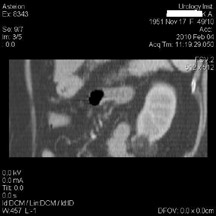
Рисунок 1. Левая почка размерами 11,0 х 4,9 х 4,6 см. Конкрементов не выявлено. В артериальную и венозную фазу четко контрастируется корковый и мозговой слои почки. В нижнем сегменте интрапаренхиматозно с экстраренальным ростом определяется ангиомиолипома, размером 4,0 х 3,7 3,4 см. Экскреторная функция почки сохранена. Выявленное образование не деформирует прилежащие группы чашечек. ЧЛС и мочеточник не расширены.
Инструментальные и лабораторные исследования. Клинические анализы крови, мочи, биохимический анализ крови не выявили изменений. По данным компьютерной томографии определяется ангиомиолипома левой почки.
Таблица 1. Сравнительная таблица результатов применения криоабляции опухолей почки
| число рецидивов, % (число пациентов) | среднее время наблюдения (месяцы) | количество пациентов | доступ | источник |
| 3,9% (8) | 24 | 204 | Лапароскопический | Matin S. et al. [1] |
| 1,8% (3) | 36 | 164 | Лапароскопический | Hegarty N.J. et al. [2] |
| 3,3% (2) | 26,8 | 59 | Лапароскопический | Lawatsch E.J. et al. [3] |
| 6,7% (3) | 72 | 60 | Лапароскопический | Gill I.S. et al. [4] |
| 15% (2) | 35 | 13 | Перкутанный | Miki K. et al. [5] |
| 9,5% (2) | 12,3 | 21 | Перкутанный | Permpongkosol S. et al. [6] |
Диагноз: Ангиомиолипома левой почки с тенденцией к росту.
Показания к оперативному лечению. Учитывая рост образования, риск озлокачествления и вероятность кровотечения, пациентке было рекомендовано оперативное удаление образования.
Лечение. 19 марта 2010 г. в условиях операционной OR1, сотрудниками НИИ урологии совместно с хирургом из Финляндии Питером Нилундом выполнена лапароскопическая криоабляция ангиомиолипомы левой почки.
Положение пациента на правом боку. Троакар диаметром 10 мм для лапароскопа установлен по парастернальной линии на уровне пупка, рабочие троакары диаметром 5 мм установлены на 5 см выше и ниже первого троакара по передней ключичной линии (рисунок 2).
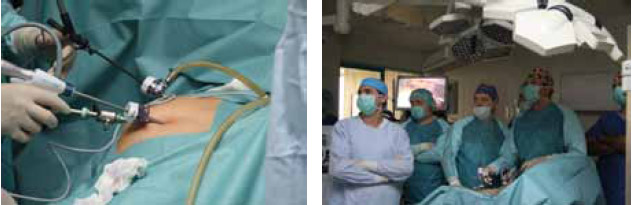
Рисунок 2. Расположение троакаров и расположение бригады хирургов.
Инвазивная процедура заняла около 2-х часов. Криодеструкция осуществлялась при помощи специальных ультратонких игл, которые были введены в опухоль под контролем зрения. Процедура состояла из двух циклов криотерапии, которые полностью разрушили опухоль. По окончании процедуры, отмечалось кровотечение из места вколов игл, купированное местным применением гемостатической губки тахокомб.
В этой процедуре была использована система для криоабляции SeedNet Gold и CryoNeedles, разработанная в Galil Medical (рисунок 3).
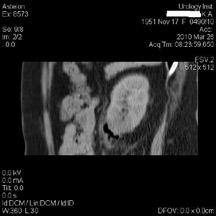
Рисунок 3. Ангиомиолипома почки с установленными иглами в фазу образования «ледяного шара» (ice-ball). Экран операционной OR1 и экран аппарата SeedNet Gold.
Послеоперационный период протекал без особенностей. Дренаж удален на 3-и сутки. На 6-ые сутки пациентка выписана. На компьютерной томограмме определяется деструкция ангиомиолипомы почки (рисунок 4).
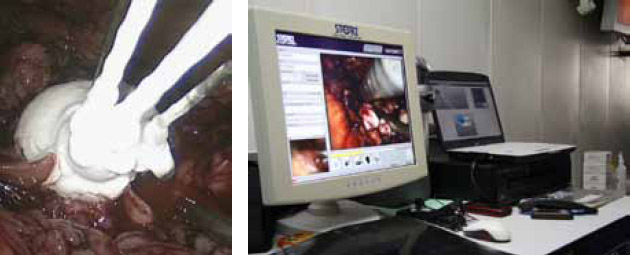
Рисунок 4. Левая почка размерами 11,0 х 5,0 х 4,6 см. Конкрементов не выявлено. В артериальную и венозную фазу четко контрастируется корковый и мозговой слои почки. В нижнем сегменте по латеральной поверхности определяется гиподенсивный участок размером 3,6 х 2,7см. В области ранее расположенной ангиомиолипомы определяется участок с наличием «вакуумэффекта»размером 3,1 х 1,8 см, с наличием тонкостенных перегородок. Наружные стенки образования утолщены на отдельных участках до 0,7см. Экскреторная функция почки сохранена. ЧЛС и мочеточник не расширены.
Заключение
Наш опыт лечения 1 пациента с ангиомиолипомой почки свидетельствует о том, что лапароскопическая криоабляция может быть эффективным безопасным методом хирургического лечения ангиомиолипомы почки. Несомненно, необходимо проведение большего количества процедур и более длительный опыт наблюдения за подобными пациентами, перед тем как рекомендовать эту процедуру в качестве рутинной у пациентов с ангиомиолипомой почки.
Ключевые слова: ангиолипома почки, лечение, криоабляция. Keywords: renal angiomyolipoma, surgical treatment, cryoablation .
Литература
- Residual and recurrent disease following renal energy ablative therapy: a multi-institutional study / Matin S.F., Ahrar K., Cadeddu J.A., Gervais D.A., McGovern F.J., Zagoria R.J., Uzzo R.G., Haaga J., Resnick M.I., Kaouk J., Gill I.S. // J Urol. 2006. Vol. 176. № 5. P. 1973-1877.
- Probe-ablative nephron-sparing surgery: cryoablation versus radiofrequency ablation. / Hegarty N.J., Gill I.S., Desai M.M., Remer E.M., O'Malley C.M., Kaouk J.H. // Urology. 2006. Vol. 68. № 1. P. 7-13.
- Intermediate results of laparoscopic cryoablation in 59 patients at the Medical College of Wisconsin / Lawatsch E.J., Langenstroer P., Byrd G.F., See W.A., Quiroz F.A., Begun F.P. // J. Urol. 2006. Vol. 175. № 4. P. 1225-1229.
- Laparoscopic partial nephrectomy in solitary kidney / Gill I.S., Colombo J.R. Jr, Moinzadeh A., Finelli A., Ukimura O., Tucker K., Kaouk J., Desai M.//J Urol. 2006 Feb;175(2): 454-8.
- Percutaneous cryoablation of renal cell carcinoma guided by horizontal open magnetic resonance imaging / Miki K., Shimomura T., Yamada H., Kishimoto K., Ohishi Y., Harada J., Egawa S. // Int J Urol. 2006. Vol.13. № 7. P. 880-884.
- Results of computerized tomography guided percutaneous ablation of renal masses with nondiagnostic pre-ablation pathological findings / Permpongkosol S, Link RE, Solomon SB, Kavoussi LR. // J Urol. 2006. Vol. 176. № 2. P. 463-467.
- Laparoscopic cryoablation of renal angiomyolipoma. /Byrd G.F., Lawatsch E.J., Mesrobian H.G., Begun F., Langenstroer P. // J Urol. 2006. Vol. 176. № 4. P. 1512-1516.